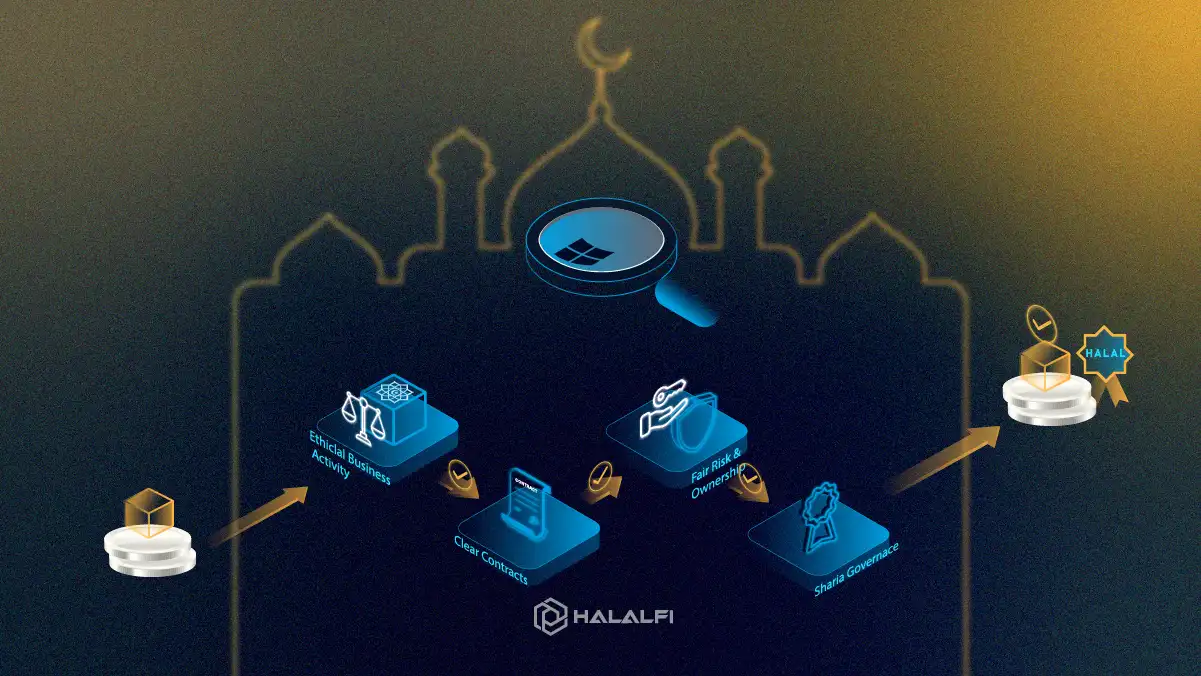
What separates a fair business deal from a contract that places all the risk on one person?
Islamic finance principles examine ownership, risk, business activity, contract terms, and the source of every return. A product does not qualify because someone adds “Islamic” or “halal” to its name.
In this guide, we explain each principle and show how structures such as Murabaha, Musharakah, and Mudarabah work.
What Are Islamic Finance Principles?
Islamic finance is a financial system built around ethical trade, responsible ownership, and a connection between money and real economic activity.
To apply this approach, Islamic finance follows core principles that guide how people invest, borrow, trade, and structure financial agreements.
Islamic finance principles prohibit riba, excessive gharar, maysir, and funding for harmful activities. They also connect financial returns to real trade, assets, services, or business risk.
These rules work together. Passing one test does not excuse failure in another. Here is the framework:
Principle | Meaning | A warning sign |
No riba | Do not earn a required increase from lending money | Fixed interest on a loan |
Limited gharar | Make essential contract terms clear | Unknown price, asset, or delivery |
No maysir | Do not treat finance like gambling | A zero-sum price bet |
Lawful activity | Fund permissible goods and services | Alcohol, gambling, or conventional lending |
Real economic purpose | Connect money to trade, assets, or services | Money circulates only to create more money |
Risk and reward | Accept relevant commercial risk when earning profit | One side guarantees its gain in every outcome |
Ownership and possession | Own or control what the contract claims to sell | Selling an asset that the seller does not own |
Clear contracts | State price, duties, timing, and risks | Hidden fees or vague promises |
Ethical governance | Review compliance throughout the deal | A halal logo without documents or supervision |
Why are Islamic Finance Principles Important?
Islamic finance now operates on a global scale. Mustafa Adil, Head of Islamic Finance at LSEG, describes the next stage this way:
“Cross-border connectivity, regulatory advancements, and strategic national initiatives will shape the industry.”
Growth creates more options and complicated products. That makes the principles, not the marketing, more important than ever.
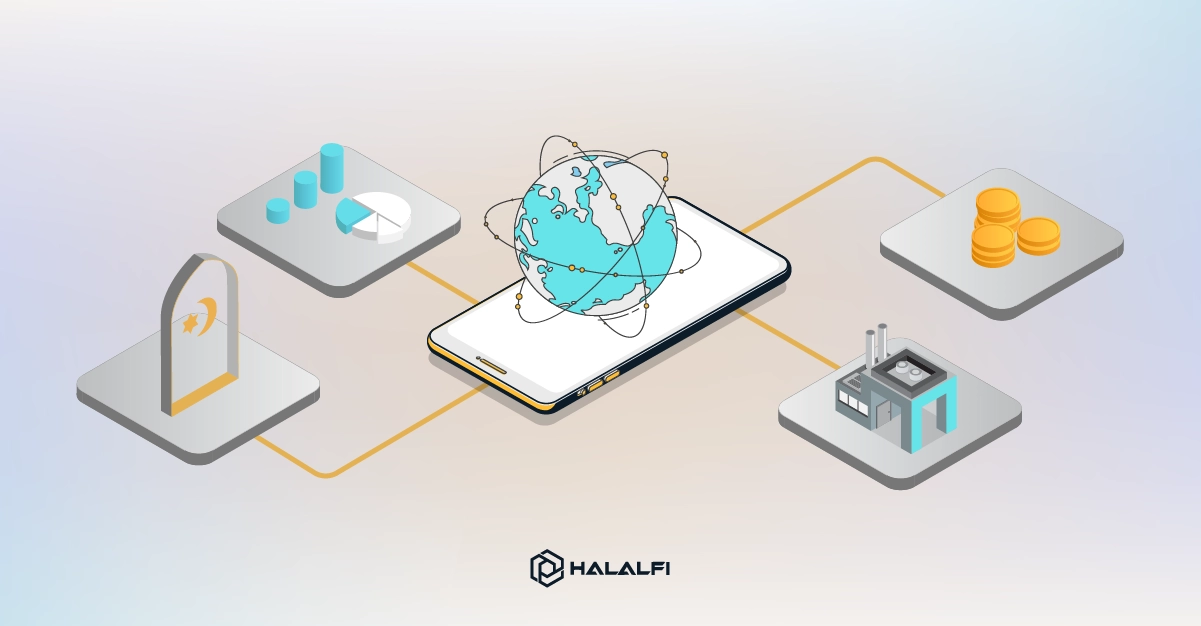
Core Principles of Islamic Finance
Now we will examine 9 of the laws and principles of Islamic finance.
1. Riba: A Loan Cannot Produce a Required Increase
The first rule concerns riba. According to IIFA, A lender cannot require an increase merely because it provided money or allowed more time for repayment.
Consider two equipment deals. In the first, a lender gives a baker $10,000 and demands $11,000 after one year. The extra $1,000 comes from the loan.
In the second, a financier buys an oven, takes ownership of it, and sells it to the baker for a disclosed price of $11,000. That may follow Murabaha when the parties follow its sale conditions.
2. Gharar: Normal Risk Is Fine, Hidden Uncertainty Is Not
Gharar in Islamic finance refers to uncertainty or ambiguity in a contract. It does not mean that every business risk becomes forbidden.
Both parties should understand the asset, price, quantity, timing, responsibilities, and delivery process.
The International Islamic Fiqh Academy says financial risk-management structures should not contain gharar that leads people to take wealth unjustly.
AAOIFI also publishes a dedicated standard on controls for gharar in financial transactions.
Imagine a trader asking for $40,000 to import “some electronics” at an unknown date, with no supplier invoice or repayment terms. That contract leaves vital facts in the dark.
Now imagine the trader identifies 500 devices, the supplier, purchase price, delivery date, sales plan, costs, and profit formula. Business risk remains. The damaging ambiguity falls.
3. Maysir: Investment Should Not Become a Bet
Maysir in Islamic finance refers to gambling or gambling-like gain. A financial activity should not make one person’s gain depend mainly on chance and another person’s corresponding loss.
The IIFA rejects buying and selling a numerical market index itself because such a transaction amounts to pure gambling and trades in something fictitious.
4. The Business Activity Must Remain Halal
A fair contract cannot make a prohibited business acceptable. Financing should support lawful products and services.
A transparent partnership that funds a casino still fails this test. So does a well-documented loan to an alcohol producer. A proper Shariah-compliant investment, therefore, needs two reviews:
One for the business
Another for the financial structure.
5. Finance Should Connect With the Real Economy
Islamic financial principles do not treat money as an isolated product that should multiply on its own.
A transaction should connect to an asset, service, trade, lease, or productive business activity.
The IMF says Islamic transactions need a real economic purpose. The World Bank also describes asset backing and risk sharing as mechanisms that connect finance with real-sector activity.
6. Musharakah & Mudarabah: Profit Should Come With Responsibility
Islamic finance permits profit. It questions the profit that one party guarantees while shifting all meaningful commercial risk elsewhere.
Anyone who earns from ownership or partnership should bear the relevant risks that come with that position.
Musharakah lets two or more parties contribute capital to a business. Mudarabah generally pairs capital from one party with management from another.
Mudarabah works differently. One party provides the capital, while the other manages the venture. The parties share actual profit according to an agreed ratio.
This principle supports genuine profit sharing. The parties may agree on a ratio of actual profit. They should not disguise a required return on debt as business profit.
7. Ownership Must Exist Before Profit From a Sale
A sale requires more than a payment screen and a confirmation email. The seller should own the asset or have valid control over it before selling it. The buyer should receive recognized possession under the relevant contract.
For example, a dealer may buy machinery, take ownership, and then resell it through Murabaha. The dealer cannot simply lend cash, never own the machinery, and call the interest charge a sale profit.
8. Contracts Must Say What Will Actually Happen
Islamic finance depends on informed consent, not fine print that hides the real deal. A contract should clearly explain price, fees, timing, ownership, default, loss, profit calculation, guarantees, and dispute procedures.
Suppose a platform advertises “up to 20% expected profit.” The contract should explain:
Which commercial activity may create that profit
Whether the percentage represents a forecast or a binding payment
Who carries a genuine business loss
Which events activate a guarantee
Whether fees reduce principal or profit
How the parties resolve a dispute
9. Sharia Governance Requires More Than a Logo
The final principle concerns process. Qualified people should review the product, documents, operations, and later changes.
A fintech company may change its wallet, fees, smart contract, collateral model, or revenue source. Compliance teams need to review those changes.
Technology moves quickly. Sharia governance cannot stop after launch day.
How Does HalalFi Apply Islamic Finance Principles?
HalalFi connects project-based crowdfunding with blockchain records. According to the HalalFi whitepaper, the platform connects off-chain businesses that need working capital with on-chain funding.It says that projects undergo business and Sharia reviews before users can select them.
A pooled product may hide each underlying transaction. HalalFi lets users choose individual projects and track recorded fund movements.
It is important for anyone studying halal investment: open one project and test it against all 9 principles.
Check the business, contract, return source, wallet asset, fees, guarantee, dispute process, local law, and Sharia review before committing funds.
Conclusion
Islamic finance principles do not reject business, innovation, or profit. They ask for money to follow clearer rules: no riba, no gambling, no serious contractual ambiguity, no harmful activity, and no gain detached from ownership or responsibility.
That framework works in a bank, a property deal, a stock portfolio, or a blockchain application.
A good way to continue is to review the HalalFi documentation and apply the nine-question test to one project. The goal should not involve trusting a label. It should involve understanding exactly what happens to the money.
Frequently Asked Questions
What are the main principles that make a financial product Sharia-compliant?
A Sharia-compliant product should avoid riba, excessive gharar, maysir, and prohibited activities.
Why does Islamic finance prohibit riba but allow business profit?
Islamic finance separates profit from interest. Business profit comes from ownership, trade, or risk-taking, whereas riba provides a predetermined return on lending money without sharing commercial risk.
How do Islamic finance principles handle investment risk?
Islamic finance does not eliminate risk. Instead, it encourages fair risk sharing, clear contracts, and transparency.
Can a company be halal if its products are allowed but it uses conventional interest-based financing?
Not necessarily. Sharia screening examines both the company’s main activities and its financial structure, including debt levels, interest income, and compliance standards.
Why is ownership important in Islamic financial transactions?
Selling something without ownership or control can create uncertainty and conflict with Sharia principles.
Does using blockchain automatically make an investment Islamic?
No. Technology can improve transparency and recordkeeping, but it does not change the nature of a contract.