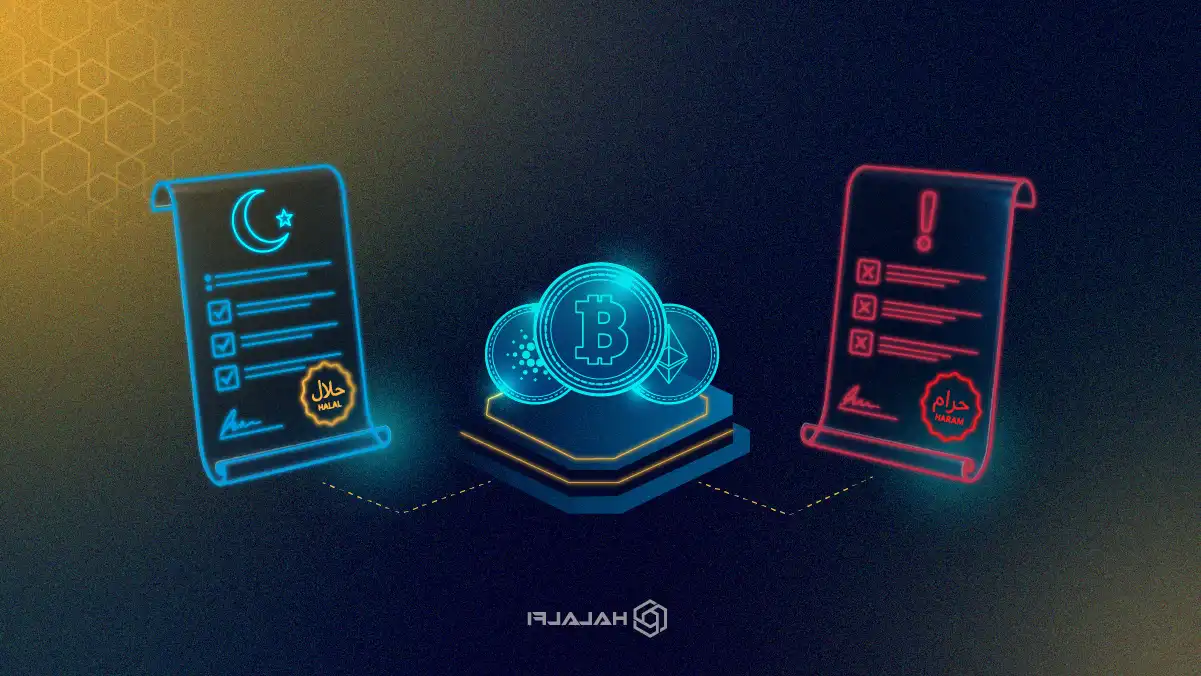
Could a trade that takes ten seconds still break rules built around ownership, fairness, and real exchange?
Questions about whether crypto trading is halal or haram rarely have a one-word answer. The coin matters. So do the contract, payment method, custody arrangement, leverage, and reason for trading.
In this guide, we separate those transactions and explore a different use of blockchain:
a model for connecting USDT holders with screened, real-business projects that align with Islamic finance principles, rather than asking them to predict the next price candle.
What is Crypto Trading?
Crypto trading is the process of buying and selling digital currencies, such as Bitcoin or Ethereum, to profit from price movements.
Unlike long-term crypto investing, which focuses on holding assets for years, crypto trading usually involves shorter timeframes, from minutes to months.
Traders analyze market trends, news, technical indicators, and trading volume to decide when to buy or sell.
The goal is to profit from price fluctuations, but crypto markets can be highly volatile and carry significant risks.
Is Crypto Trading Halal or Haram?
We have already discussed whether is investing halal or not. One of the most attractive types of investment these days is investing in cryptocurrencies, and it would be a good idea to discuss whether such investments are halal or haram.
Crypto trading does not become halal simply because a trader avoids pork, alcohol, or conventional bank stocks.
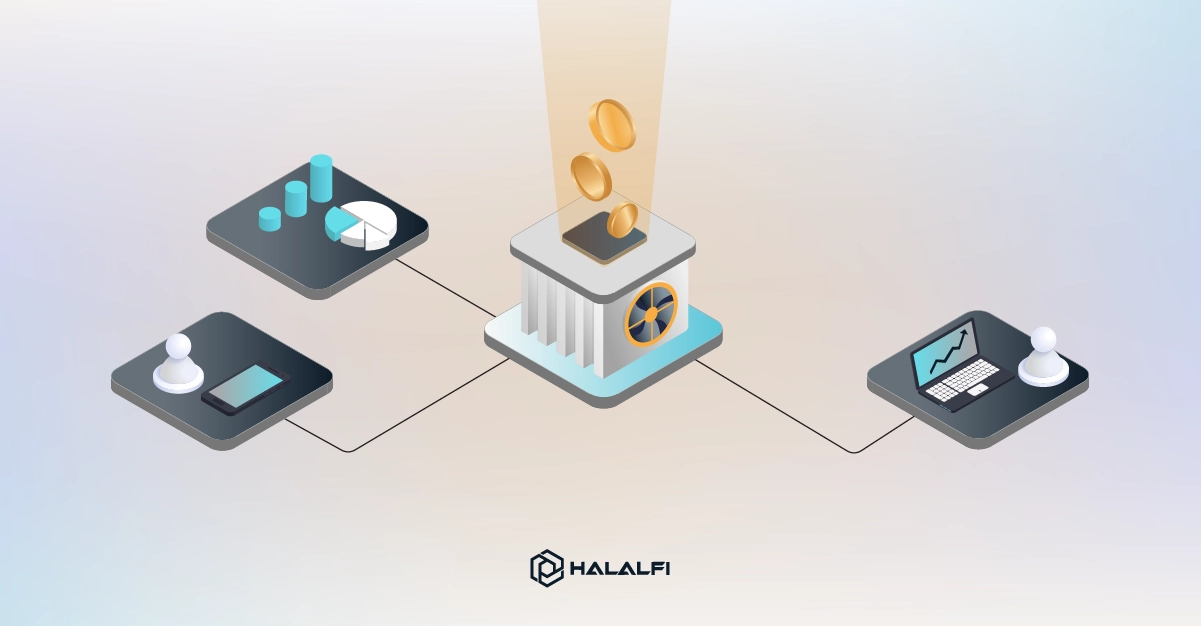
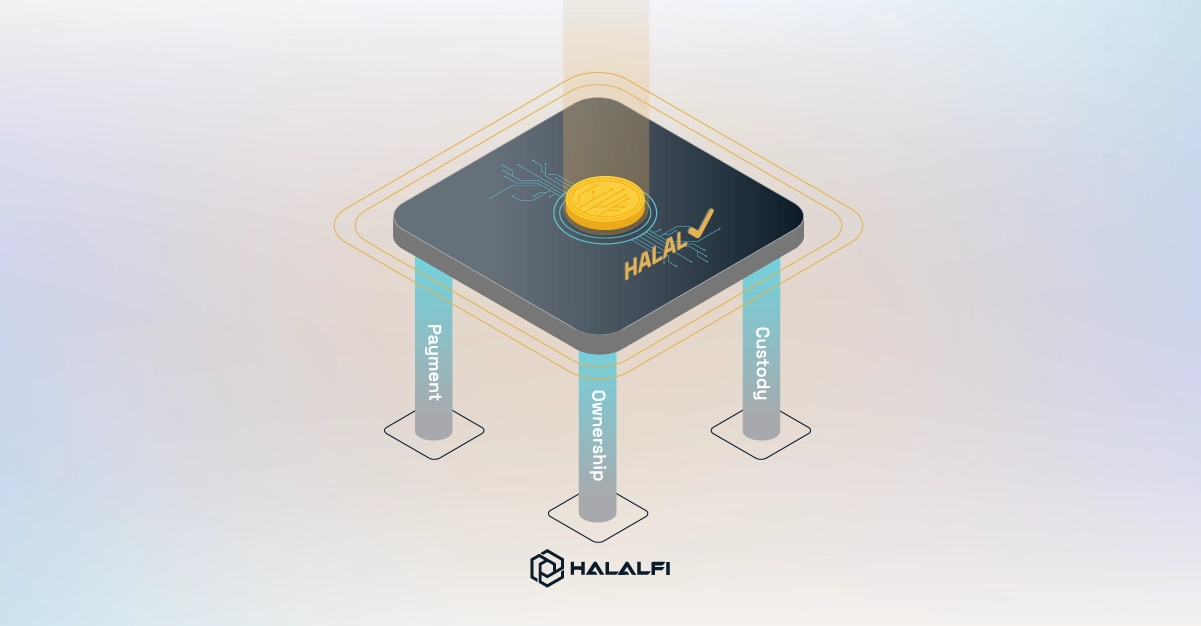
A straight spot purchase may meet the conditions that some scholars accept. The buyer pays for a screened asset, gains control, and assumes ownership risk.
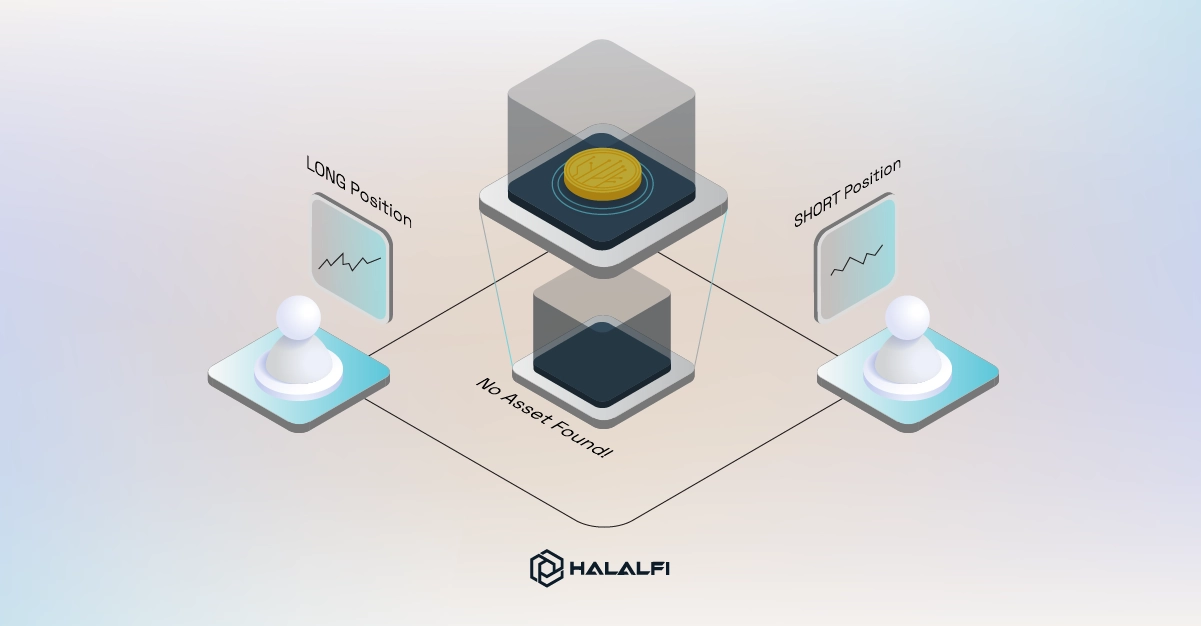
A leveraged futures position works differently. The trader often gains price exposure without owning the coin.
According to Amanah Advisors, Mufti Faraz Adam says:
“Crypto-assets which have a lawful utility can be deemed as Māl and property from a Shariah perspective.”
In the table below, we compare some crypto trading activities by ownership structure, Sharia concerns, and the level of risk involved from an Islamic finance view:
Type of activity | What the trader receives | Main Sharia concern | General risk level |
Unleveraged spot purchase | Ownership of the crypto asset | Asset screening and valid possession | High |
Margin trading | A larger position funded through borrowing | Riba, leverage, and forced liquidation | Very high |
Standard futures | A contract for later settlement | No present ownership and deferred exchange | Very high |
Perpetual futures | Continuous exposure to price movements | Funding payments, speculation, and no delivery | Very high |
Short selling | Profit from an asset’s decline | Selling what the trader does not own | Very high |
Pump-and-dump trading | Profit from manipulated demand | Deception, harm, and mayser-like behavior | Extreme |
When Can Crypto Spot Trading Be Considered Halal?
For the answer to the question, "Is crypto halal?" We should say that a potentially acceptable asset can enter an impermissible contract.
A spot button and a futures button may appear side by side in the same app, but they create very different transactions.
Crypto spot trading may qualify as halal according to scholars who recognize the asset, provided the transaction meets several conditions.
The buyer should pay without interest-bearing debt, receive genuine ownership, and gain the practical ability to hold, transfer, or withdraw the asset.
The International Islamic Fiqh Academy accepts market transactions that provide immediate payment and immediate delivery under the normal conditions of sale.
Its resolution does not specifically address cryptocurrency, but its focus on ownership, delivery, and possession helps explain how scholars review spot crypto trades.
Crypto Futures Trading Halal or Haram?
Most institutional Sharia discussions raise serious objections to conventional futures. When the parties delay settlement, traders often avoid physical delivery, and the contract itself becomes the object of speculation.
The International Islamic Fiqh Academy states that its earlier resolutions deemed options and futures contracts most impermissible.
It also warns against hedging structures that sell abstract rights or reproduce prohibited derivative arrangements.
Many exchanges settle the contract in cash or stablecoins. The trader never receives Bitcoin, Ether, or the referenced token.
A profitable long position receives money because the price rose. A profitable short position receives money because the underlying asset has fallen.
That structure raises concerns about some halal investment roots:
Gharar, meaning excessive contractual uncertainty
Maysir, meaning gambling-like gain at another party’s expense.
Leverage can also introduce borrowing costs and a highly unequal risk profile.
How HalalFi Moves the Focus From Price Betting to Business Activity
HalalFi does not try to make futures trading permissible. It addresses a different problem:
many crypto holders want to use blockchain without building their financial lives around rapid price speculation.
The platform uses USDT and smart contracts to connect investors with specific business-funding rounds.
USDT aims to track the US dollar, but a stable-value target does not eliminate issuer, reserve, redemption, wallet, network, or regulatory risk.
A stablecoin investment also requires a review of how the platform uses the stablecoin.
HalalFi’s model gives USDT an identifiable role. It moves capital into a stated business activity and returns principal plus actual profit in accordance with the project terms. In HalalFi, investors can:
Identify the project
Follow the funding flow,
Review the business outcome.
Conclusion: Check the Contract, Not Just the Coin
A filtered spot purchase with real ownership, prompt settlement, and no leverage may meet conditions that some scholars accept. Other scholars reject crypto more broadly.
Conventional futures, perpetuals, margin, and short selling face much stronger Sharia objections.
So, before investing, you should ask what you own, how the settlement works, who receives each payment, and what generates the profit.
If you want to use digital assets without relying on leveraged price bets, the next step is to review HalalFi’s real-world business projects, risk disclosures, and smart-contract structure on its crypto crowdfunding platform.
Frequently Asked Questions
Is an automated crypto trading bot halal?
Automation does not change the underlying ruling. A bot that buys screened assets on spot without leverage may follow an acceptable strategy.
Is crypto copy trading halal?
Copy trading depends on the copied strategy and the agreement with the lead trader. Check whether the account buys real assets, uses derivatives, borrows on margin, or charges unclear performance fees.
Is crypto staking halal?
Staking needs product-specific analysis. Native proof-of-stake rewards may compensate validators for securing a network. Exchange “earn” products may lend customer assets and pay a fixed yield. Those structures do not share the same ruling.
Are meme coins always haram?
A token with no credible purpose, concentrated insider ownership, misleading promotion, or pump-driven pricing raises strong concerns about deception, excessive uncertainty, and gambling-like behavior.
Can a trader make haram futures permissible by donating part of the profit?
A charitable donation does not change the original contract. The trader must first determine whether the transaction itself complies with Sharia.