In a landscape where crowdfunding and crypto crowdfunding platforms often feel like speculative games, many investors yearn for a safer, value‑aligned alternative.
Here we will talk about HalalFi, a Sharia‑compliant crowdfunding platform that uses all‑or‑nothing campaigns to protect investors while funding real, cash‑flowing businesses.
By the end, you’ll understand why performance‑based profit sharing and principal protection can go hand‑in‑hand, and how HalalFi tries to make ethical investing accessible to everyone.
What does “All‑or‑Nothing” mean, and why does it matter?
In traditional crowdfunding, a project may keep whatever funds it raises even if it falls short of its target.
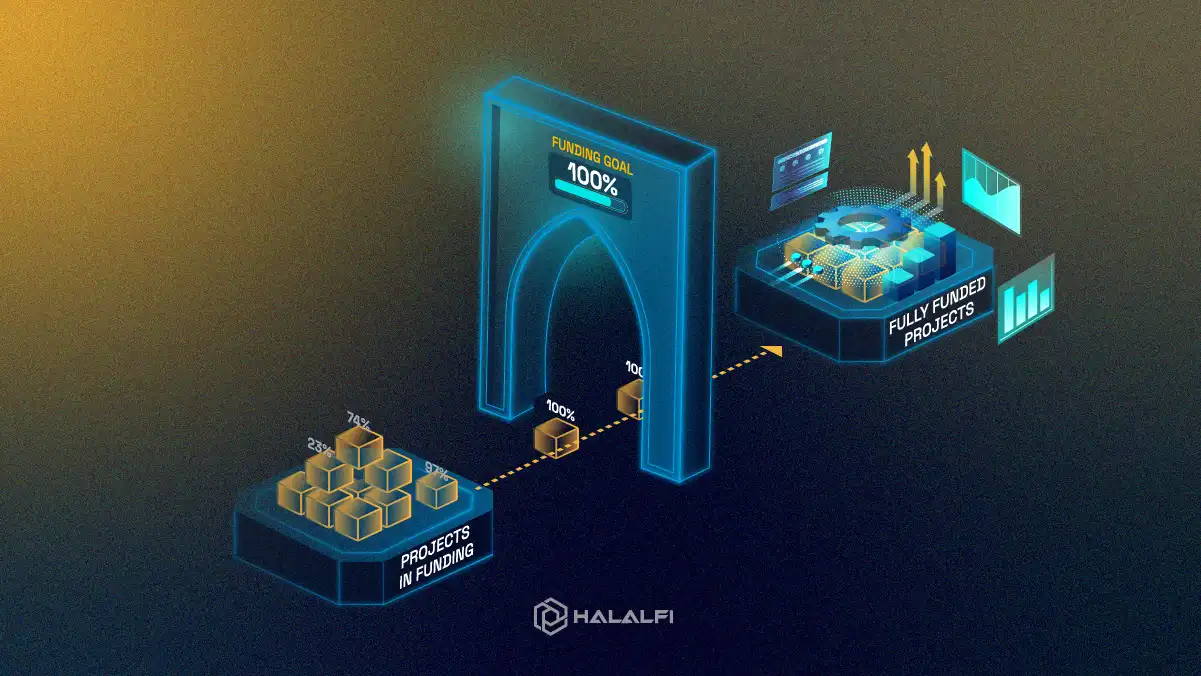
In contrast, an all‑or‑nothing crowdfunding campaign requires the project to meet or exceed its funding goal before any money changes hands.
HalalFi automatically refunds all contributions when a campaign does not reach its funding goal.
The “All‑or‑Nothing model reduces the risk of underfunded projects failing mid‑stream and helps protect investors from being stuck with half‑delivered ventures.
Platforms like Kickstarter and Indiegogo popularized this approach because it builds trust, ensures accountability, and motivates creators to set realistic goals.
Investors know that if a project isn’t fully funded, they’ll get their money back, no lingering 95‑percent success stories where everyone ends up dissatisfied.
How HalalFi implements All‑or‑Nothing Funding?
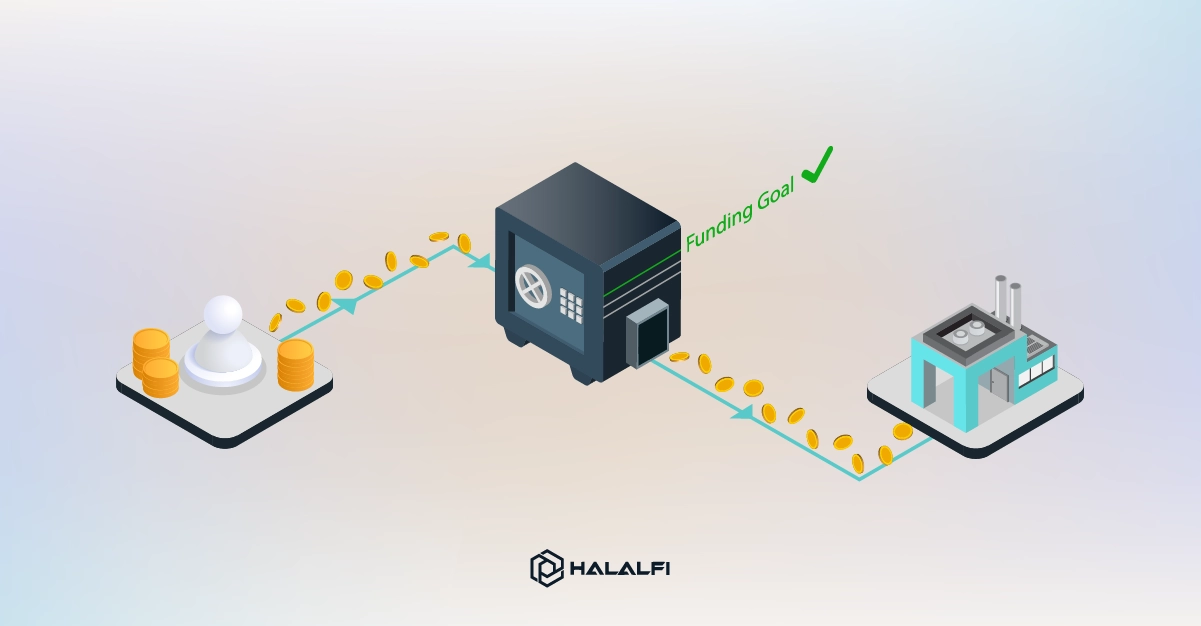
HalalFi takes the all‑or‑nothing principle further by embedding it within smart contracts and Sharia‑compliant audits. When a business applies to raise money, the HalalFi Board performs both a Sharia audit and a business audit.
Only projects that pass both audits are listed on the platform, and each must specify clear funding targets, timelines, and profit‑sharing terms. If a project does not reach its target by the deadline, investors are automatically refunded.
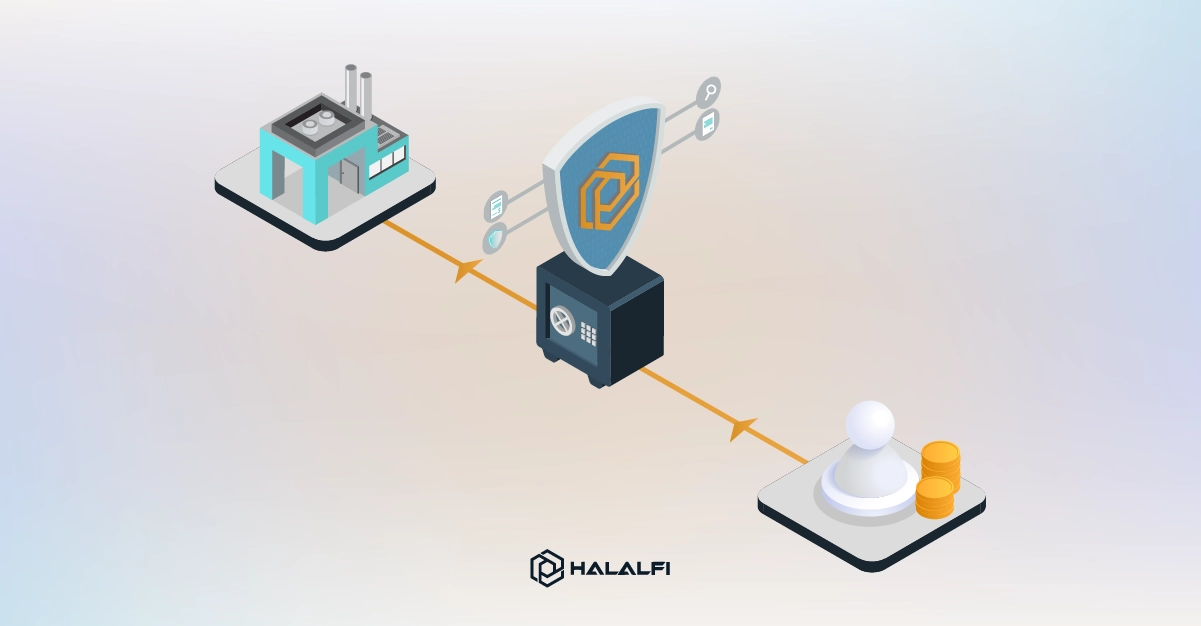
This structure ensures that investors are not left in limbo and that businesses receive enough capital to execute their plans successfully. In essence, HalalFi creates a “Big Wall” between investors and bad actors.
Why does HalalFi use All-or-Nothing Campaigns?
HalalFi uses the All-or-Nothing funding model because it creates a safer, more transparent environment for both investors and businesses. Under this approach, a crowdfunding campaign must reach its predetermined funding target before any funds are released to the project owner.
HalalFi's "All-or-Nothing" campaign protects investors from one of the most common risks in crowdfunding: underfunded projects.
A business that receives only a portion of the capital it needs may struggle to complete its plans, deliver promised results, or generate sustainable profits.
By requiring campaigns to reach their full funding goal, HalalFi ensures that businesses have the resources necessary to execute their strategies effectively.
The all-or-nothing structure also encourages project owners to set realistic fundraising targets and present clear, well-developed business plans.
Since funding is only released when investor confidence is strong enough to meet the campaign goal, businesses are motivated to provide transparent information, financial projections, and regular updates throughout the fundraising process.
Investors will have peace of mind with this structure. They won't worry that their capital may be tied up in an underfunded venture with limited chances of success; they know their funds will either support a fully funded business or be returned if the campaign falls short.
The model also supports fairness and accountability. Investors contribute to projects with clearly defined objectives, while businesses are held to higher standards of preparation and execution.
HalalFi's All-or-Nothing campaigns promote responsible fundraising, stronger project outcomes, and a more sustainable investment ecosystem built on trust, transparency, and shared success.
HalalFi vs. Typical Platforms
To appreciate HalalFi’s distinctive approach, compare it with the typical or crypto crowdfunding platforms. The table below highlights differences:
Feature | Typical speculative markets | HalalFi approach |
Core focus | Price action & hype cycles | Real businesses with cash flow |
Returns | Often driven by speculation and volatility | Performance‑based profit sharing tied to real revenue |
Compliance | Usually lacks Sharia oversight | Dual audits (Sharia & business) verify legitimacy |
Risk focus | Fraud risk is often ignored; high volatility | Principal protection & legal recourse through HalalFi’s “Big Wall.” |
Transparency | Mixed, opaque terms & hidden fees | Blockchain records & automated smart contracts provide transparency |
Investor barrier | Low barrier but confusing processes | Inclusive for investors (no KYC) yet strict KYB for businesses |
So HalalFi prioritizes investor protection and transparency while still offering growth potential.
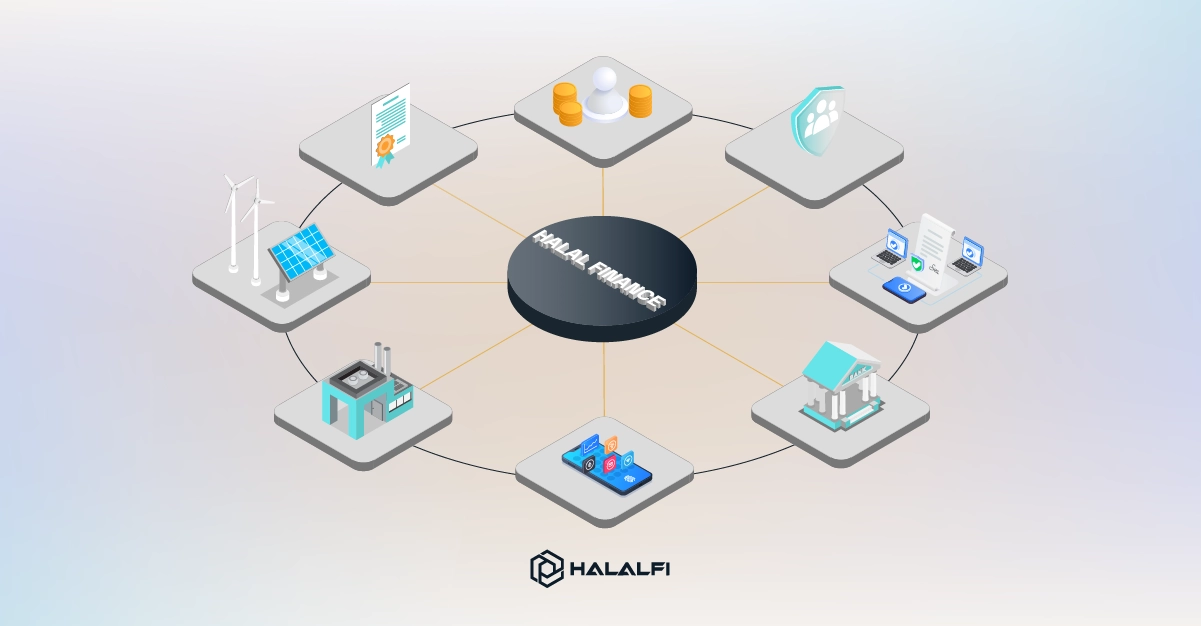
By combining crowdfunding, smart contracts, and Sharia compliance, HalalFi creates a more ethical and sustainable funding environment.
The Investment Process: From Project Application to Funding
HalalFi’s investment process begins with a project application, where entrepreneurs submit documents, connect their digital wallets, and provide proof of performance.
Next, the HalalFi Board conducts a dual audit to evaluate Sharia compliance and financial sustainability. Once approved, the project is listed with clear terms:
Funding targets
Raising period
Expected returns
Timeline
Investors then participate via smart contracts, with funds held in escrow until the campaign meets its goal. The all‑or‑nothing model ensures that if the target isn’t reached, contributions are automatically refunded.
If you review HalalFi documentation, you will also understand that it distinguishes between investors and businesses. Investors enjoy low barriers to entry; there is no lengthy KYC process, making participation inclusive.
Businesses must undergo strict Know‑Your‑Business (KYB) verification and due diligence. The platform acts as a legal agent for investors, ready to pursue legal action against bad actors. So you never risk losing your starting capital to fraud or incomplete campaigns.
Risk mitigation in HalalFi
One of HalalFi’s features is its Guarantors Marketplace. Guarantors are vetted professionals who offer coverage plans to protect investors against default. When launching a campaign, project creators can invite guarantors to back their projects.
Investors can then buy coverage at the time of investment, adding a layer of security.
The system draws on Islamic roots such as kafala (surety) and wakala (agency), integrated into Mudarabah/Musharakah contracts.
HalalFi builds a robust risk‑sharing environment that discourages misaligned incentives.

Why Halal Finance Is Relevant Today?
To understand the impact of HalalFi, consider some country‑specific statistics:
According to LSEG, Islamic financial assets in ASEAN more than doubled from USD 468 billion in 2014 to USD 954 billion in 2024, reflecting rapid growth. Malaysia is among the top Islamic finance markets and continues to strengthen its domestic ecosystem.
As one of the top IFDI countries, Saudi Arabia saw Islamic banking assets expand significantly after 2012. Saudi banks were particularly resilient during economic downturns, partly because of the strong regulatory environment.
Following a 2022 Federal Shariah Court judgment on riba, Pakistan is moving to convert its financial system to interest‑free operations. So there is demand for compliant, principal-protected investment products.
Also, LucidityInsights shows With 52% of adults unbanked in the Middle East and Africa, fintech solutions like HalalFi can help address financial exclusion. The UAE is also a regional leader in issuing sukuk and developing digital banking.
Ranked among the top Islamic finance markets, Indonesia has launched digital Islamic banks and included Islamic finance metrics in national economic strategies. With high smartphone penetration, the country illustrates how mobile‑first Islamic fintech can thrive.
These examples show that HalalFi is tapping into large, underserved markets. The platform, by aligning faith, profit, and impact, reverberates with Muslim and non‑Muslim investors who care about ethical finance and halal investment.
Conclusion
HalalFi’s All‑or‑Nothing Campaigns illustrate how crowdfunding can evolve to protect investors while funding real economic activity.
Through dual audits, smart contracts, principal protection, and optional guarantor coverage, the platform addresses critical concerns like riba, gharar, and mysir.
It offers investors, Muslim and non‑Muslim alike, a way to grow wealth ethically and with greater peace of mind.
In a world where finance often feels detached from values, HalalFi shows that profit and purpose can indeed be inextricably linked. So visit HalalFi and see how your capital can make an impact.
Frequently Asked Questions
What is an all-or-nothing campaign?
An all-or-nothing campaign is a fundraising model where a project must reach its funding target before receiving any funds. If the campaign fails to meet its goal within the specified timeframe, HalalFi automatically refunds all contributions to investors.
Why does HalalFi use all-or-nothing campaigns?
HalalFi uses this model to protect investors and ensure that businesses receive sufficient capital to execute their plans successfully. It reduces the risk of underfunded projects struggling to deliver on their promises.
How long does a campaign remain active?
Each campaign has a predefined fundraising period set by the project owner and approved by HalalFi. The campaign remains active until it reaches its funding target or the fundraising period expires.
What happens when a campaign reaches its funding goal?
Once a campaign reaches its funding target, the fundraising process closes, and funds are released in accordance with the campaign terms. The business can then begin executing its growth plan, while investors become eligible for profit-sharing under the agreed structure.
How are campaign funding targets determined?
Funding targets are based on the project's business plan, capital requirements, growth objectives, and financial projections. HalalFi reviews these details during its due diligence process before approving the campaign.
How can I track the progress of a campaign?
Investors can monitor campaign progress through the HalalFi dashboard, which displays fundraising milestones, remaining funding requirements, campaign deadlines, and project updates.
What types of businesses can launch campaigns on HalalFi?
HalalFi focuses on real, revenue-generating businesses that comply with Sharia principles. Projects involving prohibited industries or activities are not eligible for fundraising on the platform.