In India, where small businesses often struggle with collateral-heavy bank loans and early-stage founders can be too small for venture capital, crowdfunding is creating another route for capital to reach businesses with real customers, products, and growth plans. A founder has a product, customers, and a clear plan. The missing piece is often the same: capital.
Picture a small manufacturer in Mumbai with orders coming in but not enough cash to buy the equipment needed for the next batch. The business works, and customers are there. Yet a bank may still ask for collateral the owner doesn’t have. A few hundred kilometers away, a Bengaluru founder faces a different version of the same problem: the product is built, early users are interested, but most venture investors want to see more traction before writing a cheque.
Crowdfunding fills some of that uneasy space between “too early” and “ready for institutional money.”
The Funding Problem Nobody Sees Until Growth Begins
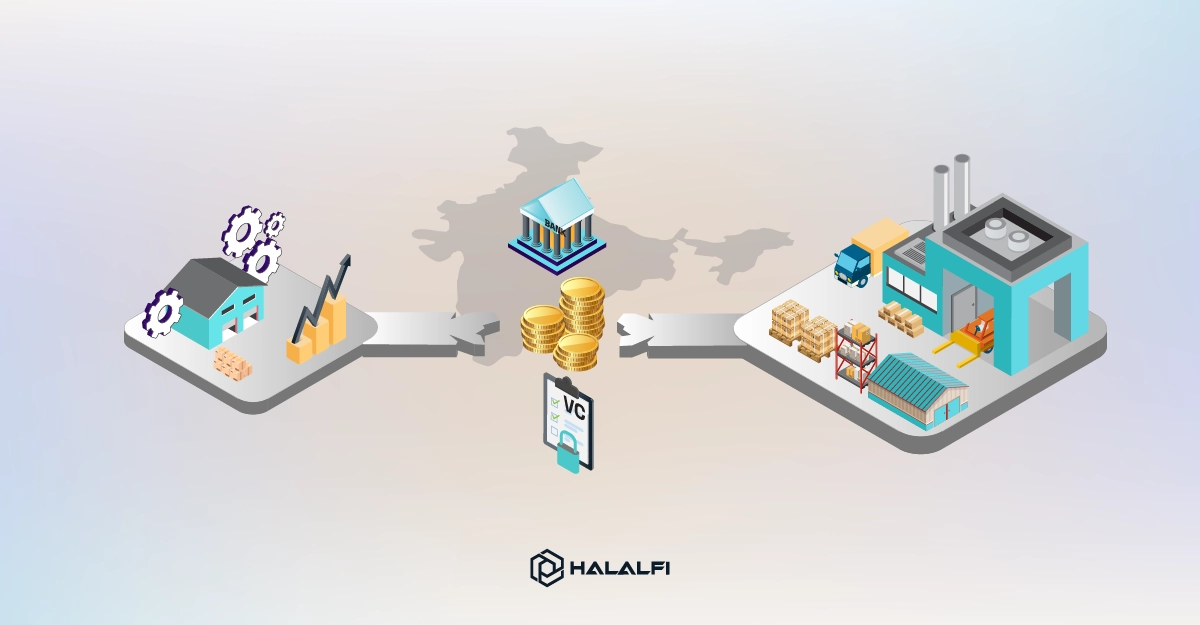
Many Indian businesses struggle to raise capital because traditional finance often favors companies with a longer track record. Crowdfunding offers another way, but trust becomes central.
Banks: Usually expect financial history, steady cash flow, and collateral.
Venture capital: Targets companies with strong growth potential and large possible returns.
Small businesses: Manufacturers, retailers, food producers, farmers, and service companies often fall between these two funding models.
Crowdfunding: Gives businesses a way to raise money directly from many participants.
Trust matters; investors still want clear information about the founders, use of funds, business model, and what supports the campaign.
Crowdfunding Moves From Donations to Investment Models
Crowdfunding began to gain popularity through creative projects and community fundraising. India has seen growth in donation and reward-based fundraising, especially for social causes and early-stage products.
Investment-based crowdfunding requires more attention because financial regulations apply when companies offer securities or investment returns to the public.
According to Incorpx, the Securities and Exchange Board of India (SEBI) examined security-based crowdfunding structures and raised questions around investor protection, disclosure requirements, and regulatory oversight. The challenge is building trust between people who may never meet.
Crowdfunding in India Has Grown Far Beyond the Donation Box
Long before Indians could open a fundraising page and share a payment link on WhatsApp, half a million dairy farmers in Gujarat tried something remarkably similar.
In 1976, 500,000 farmers contributed ₹2 each to finance Shyam Benegal’s Manthan, a film about India’s dairy cooperative movement. Amul describes it as India’s first crowdfunded film. No single farmer needed to finance a movie, but together they could put roughly ₹10 lakh behind one.
That story feels surprisingly modern. The technology has changed, of course. India now has UPI, instant payment links, social media campaigns and dedicated fundraising platforms. But the underlying idea remains familiar: a large financial need becomes manageable when many people contribute smaller amounts.
What makes crowdfunding in India interesting is that it has not developed as one single investment market. Medical fundraising, NGO donations, product pre-orders, social lending and startup finance sit under very different legal and practical rules.
Crowdfunding in India Does Not Mean Just One Thing
Search for a crowdfunding campaign in India today, and there is a good chance you will find a hospital bill before you find a startup pitch. That is not accidental.
According to ResearchGate, Researchers Vijaya Vijaya and Himendu Prakash Mathur of Banaras Hindu University clearly state in their study of the Indian market: “Crowdfunding in India is dominantly donation-based.”
Their research found that emotions, religious beliefs, social influence and the relatively low financial burden on individual contributors help explain why donation campaigns have become so prominent in India. That dominance has shaped the platforms Indians actually use.
India Regulates Crowdfunding According to What the Money Represents
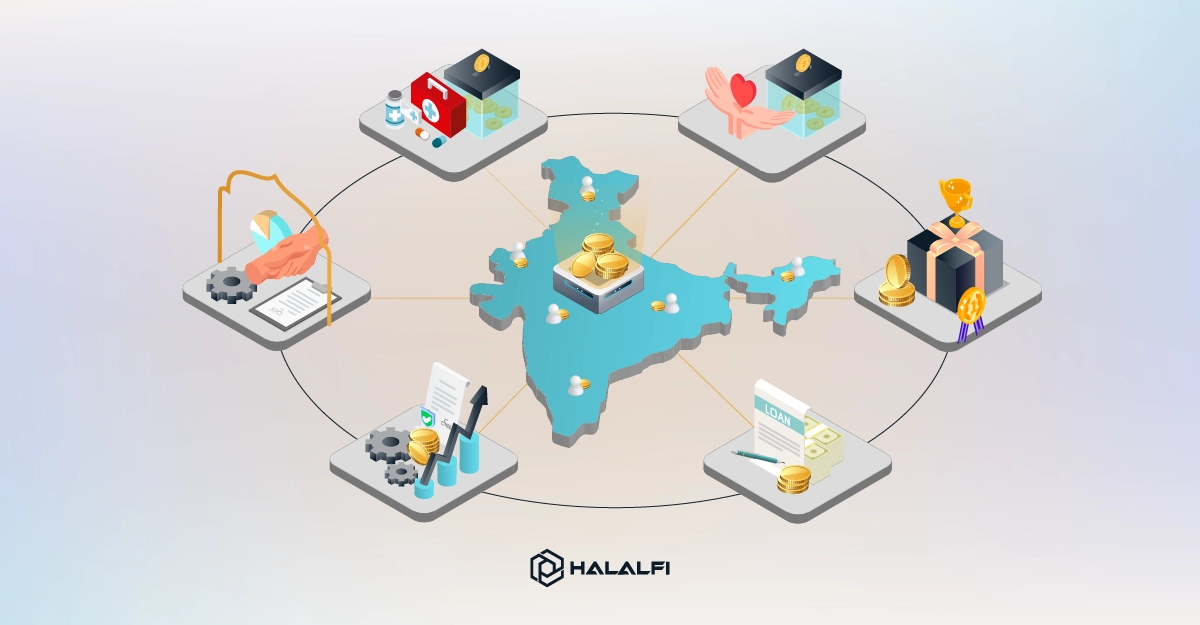
Crowdfunding in India does not operate under a single legal framework. The rules depend on whether funds are raised as donations, rewards, loans, or investments.
Donation-based campaigns are common, but tax benefits under Section 80G apply only when the recipient meets the required conditions. Foreign contributions can trigger FCRA rules, meaning some organizations must register or obtain prior permission before accepting funds from overseas sources.
Peer-to-peer lending operates under a separate system regulated by the Reserve Bank of India through the NBFC-P2P rules, and platforms cannot guarantee repayment or returns. Equity crowdfunding is more restricted.
Although SEBI discussed a framework in 2014, companies cannot publicly offer shares to unlimited online investors under the label of private placement. Securities fundraising must comply with SEBI rules and the Companies Act.
Which Crowdfunding Platforms Are Used in India?
The differences become clearer when looking at real Indian platforms.
Platform | Main model | Common use in India | Financial return to contributor? |
Milaap | Donation crowdfunding | Medical bills, emergencies, education, NGOs and personal causes | No |
Ketto | Donation crowdfunding | Medical and social campaigns | No |
ImpactGuru | Donation crowdfunding | Strong focus on medical fundraising and healthcare expenses | No |
FuelADream | Donation and reward crowdfunding | Social causes, ideas, products, events and pre-orders | Usually no financial investment return |
Rang De | P2P lending / social investing | Loans for underserved borrowers, livelihoods and rural entrepreneurs | Repayment and return may apply, but are not guaranteed |
India’s crowdfunding market includes various models, from medical donations to reward-based campaigns and P2P lending. The right platform depends on whether the goal is charity, product funding or access to credit.
Milaap: More than 809,000 fundraisers and ₹2,300 crore raised, with a strong focus on healthcare and personal causes.
Ketto: Primarily supports medical, social, and charitable campaigns. Contributors do not receive financial returns.
ImpactGuru: Focuses heavily on healthcare, reporting support for 50,000+ patients and a donor community of more than 50 lakh people.
FuelADream: Supports charity, ideas and reward-based projects, including both all-or-nothing and flexible funding models.
Rang De: An RBI-registered NBFC-P2P platform where investors can fund borrowers from ₹500, although repayments are not guaranteed.
What Crowdfunding Can Realistically Do for an Indian Business
For Indian entrepreneurs, crowdfunding works best when the funding structure matches something the crowd can understand.
Imagine a Bengaluru hardware startup that needs ₹12 lakh to manufacture its first commercial batch.
Instead of offering shares publicly, the company might run a rewards campaign in which early supporters pre-order the device. If 600 buyers commit ₹2,000 each, the business has evidence of customer demand and production capital.
That is very different from telling 600 people, “Send us ₹2,000 and you will own part of the company.”
The second arrangement enters securities territory and requires much more careful legal structuring.
Indian Researchers See Opportunity but Also a Regulatory Gap
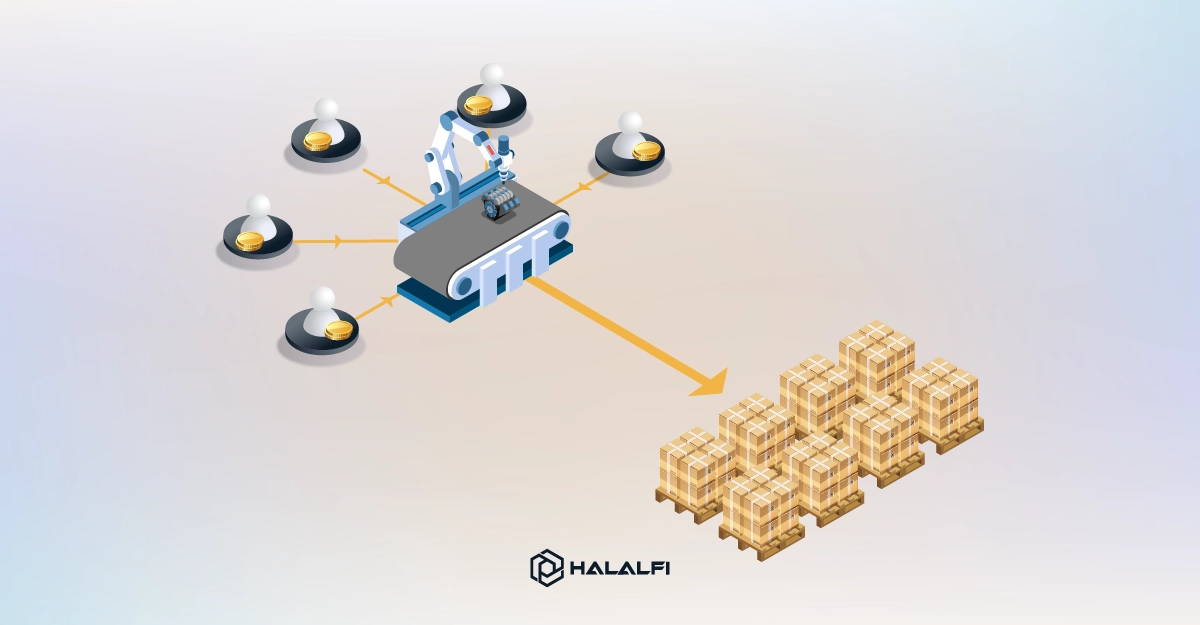
Indian academics have been discussing this tension for years. Rahul J. Nikam, a law academic at Marwadi University, argues that there is a “regulatory gap in recognizing this emerging route of fund-raising” for startups and SMEs in India. His research calls for rules that can expand access to funding without removing investor protection.
The Islamic finance side of Indian scholarship has reached a related conclusion from a different direction.
Dr Shariq Nisar and Umar Farooq Patel, whose work examines fintech and Shariah-compliant finance, write that newer marketplaces, such as a crowdfunding platform, can give businesses, particularly SMEs, access to capital they may struggle to obtain through traditional financial intermediaries.
Nisar has also worked directly with alternative finance in India and previously served as an independent director of Bengaluru-based crowdfunding business Rehbar Financial Consultants.
HalalFi and the Rise of Shariah-Compliant Crowdfunding in India
Here, a model such as HalalFi is particularly relevant for Indian investors and businesses seeking Shariah-compliant alternatives to conventional interest-based financing. HalalFi is a crowdfunding platform built around Shariah screening, business review, and performance-based investment structures rather than fixed interest payments.
For India, however, Shariah compliance is only one layer of the question. A halal crowdfunding structure must still comply with Indian securities, lending, company, foreign contribution, and other applicable rules. That makes the Indian opportunity quite specific: a platform may connect ethically minded capital with real businesses, but the legal structure behind each campaign matters just as much as the Shariah label attached to it.
The Indian Version of Crowdfunding Is Already Distinct
India did not copy Kickstarter or GoFundMe and call the job finished. Its crowdfunding market grew around Indian realities: expensive medical treatment, strong family and community networks, social giving, rapidly adopted digital payments, small businesses searching for credit, and a securities framework that treats investment fundraising far more cautiously than donations.
Crowdfunding in India works when a large financial problem is broken down into a manageable size for many people to participate.
Frequently Asked Questions
Is crowdfunding legal in India?
Yes, but the answer depends on the model. Donation and reward crowdfunding operate differently from securities fundraising. P2P lending platforms require RBI regulation as NBFC-P2Ps, while public or online offers involving company securities can trigger SEBI and Companies Act requirements.
What are the best-known crowdfunding platforms in India?
Milaap, Ketto and ImpactGuru are major names in donation-based crowdfunding, particularly for healthcare and social causes. FuelADream also supports reward-based and product-oriented campaigns. Rang De operates a different model as an RBI-regulated P2P social-investing platform.
Can an Indian startup raise money through crowdfunding?
Yes, but the structure matters. A startup may use rewards, pre-orders, or permitted fundraising structures.
Is crowdfunding income taxable in India?
Potentially. Tax treatment depends on who receives the money, why it was paid,d and the legal nature of the contribution.
Can people outside India donate to Indian crowdfunding campaigns?
Sometimes, but foreign contributions can trigger FCRA requirements. NGOs and organizations should check their eligibility before accepting foreign-source donations.
Is crowdfunding in India only for medical emergencies?
No. Medical crowdfunding is highly visible, but Indian platforms also support NGOs, education, creative projects, social enterprises, products, and disaster relief.
Can crowdfunding replace a bank loan for an Indian small business?
Sometimes, but not in every form. Reward crowdfunding can work well for businesses that can pre-sell a product. P2P lending may suit eligible borrowers. Donation crowdfunding usually makes more sense for social or personal causes.